How Locations Affect the Look of a Music Video
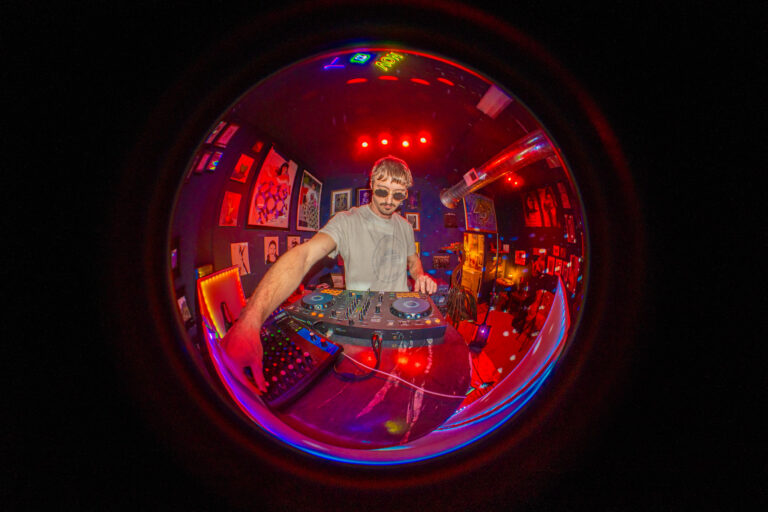
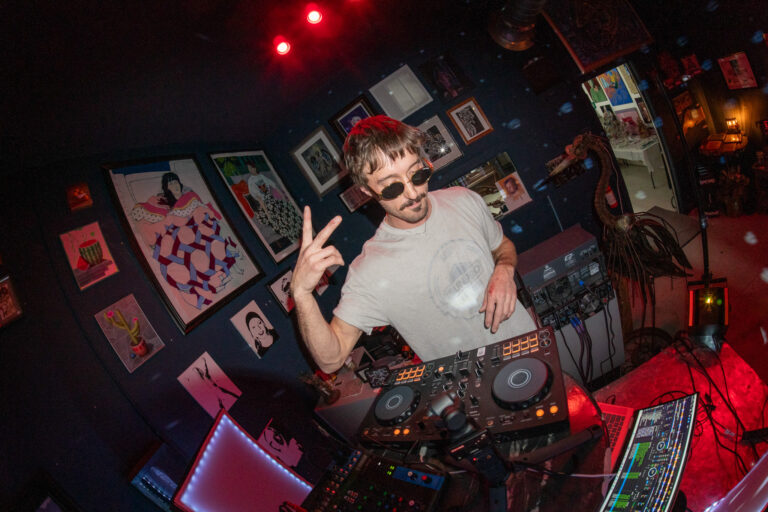
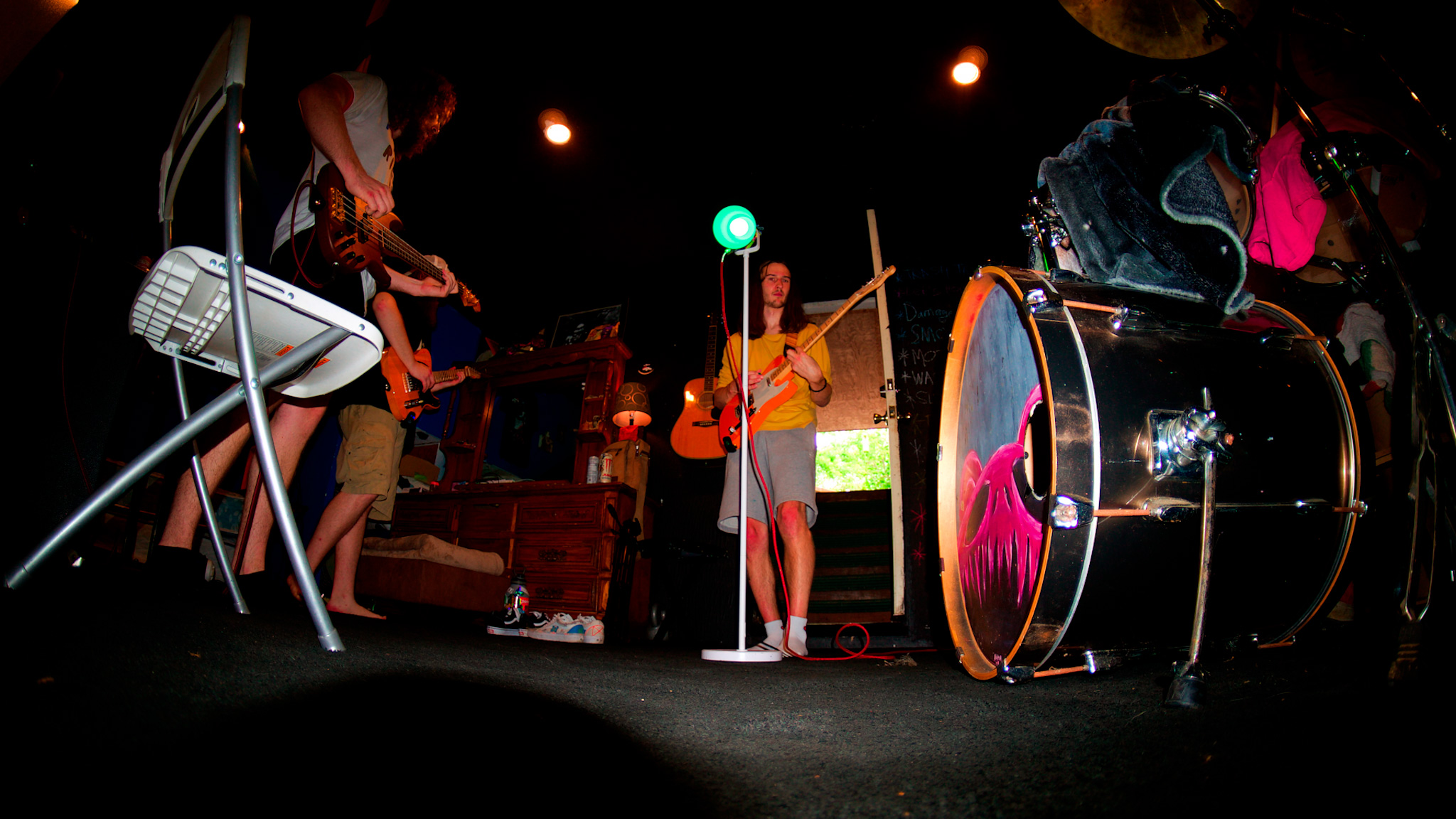
The location of a music video is much more than a place where the camera happens to be pointed.
A location can influence the mood, lighting, color palette, composition, production design, camera movement, story, and overall identity of a music video. The same artist performing the same song can look completely different depending on whether they’re filmed in a warehouse, forest, parking garage, studio, bedroom, downtown street, or abandoned building.
Choosing the right location is therefore one of the most important creative decisions in music video production.
A strong location can make a relatively simple production look visually interesting. A poorly chosen location can make even expensive equipment and elaborate production feel underwhelming.
Why Location Matters in Music Video Production
Every location comes with its own visual characteristics.
These characteristics include:
- Architecture
- Colors
- Textures
- Natural lighting
- Available space
- Background elements
- Ambient light
- Weather
- Time of day
- Camera movement opportunities
- Noise
- Accessibility
All of these factors influence what the final video will look like.
A location can even become part of the identity of the music video.
Instead of simply being the background, the environment becomes another character within the visual experience.
Location Can Establish the Mood
One of the easiest ways a location affects a music video is through mood.
Consider the difference between filming an artist in:
An empty warehouse: Industrial, spacious, raw, isolated.
A forest: Natural, mysterious, organic, peaceful, or unsettling.
A parking garage: Urban, cold, gritty, isolated.
A bedroom: Personal, intimate, nostalgic.
A nightclub: Energetic, social, chaotic.
A rooftop: Open, expansive, urban.
A suburban street: Familiar, ordinary, nostalgic, or intentionally surreal.
The location immediately gives the audience visual information before the artist even begins performing.
Match the Location to the Music
A location doesn’t necessarily have to literally represent the lyrics.
Instead, consider whether its visual characteristics complement the overall feeling of the song.
A dark industrial location might work well for an aggressive track.
A colorful city environment could complement an energetic song.
A quiet natural location might contrast effectively with intense music.
An experimental song might benefit from a location that feels visually strange or unfamiliar.
The important thing is creating a relationship between the music and the environment.
Don’t Always Choose the Most Obvious Location
If a song is about a city, you don’t necessarily need to film every scene downtown.
Sometimes the strongest visual concept comes from contrast.
For example, an aggressive electronic track filmed in an empty rural field could create a much more unusual visual experience than filming it in a conventional urban environment.
Likewise, a quiet acoustic song performed in a huge industrial building could create a powerful sense of scale and isolation.
Think about what the location communicates rather than simply choosing the most obvious place.
Architecture Can Become Production Design
Buildings can provide visual structure without requiring a large production-design budget.
Look for:
- Interesting walls
- Staircases
- Corridors
- Windows
- Columns
- Doorways
- Industrial equipment
- Exposed pipes
- Large rooms
- Repeating patterns
- Geometric shapes
Architecture can give you natural framing elements.
A doorway can frame an artist.
A hallway can create leading lines.
A staircase can create multiple levels for camera movement.
A large warehouse can provide negative space around the performer.
Location Size Changes the Visual Style
The physical size of a location has a major effect on the final image.
A small room creates intimacy and restriction.
A large room creates scale.
A huge warehouse can make a performer appear isolated.
A narrow hallway can create tension and claustrophobia.
When scouting locations, think about how much space you need for:
- The camera
- Lighting
- Crew
- Performers
- Movement
- Equipment
A location that looks impressive in person might be difficult to shoot if there isn’t enough room to position the camera and lighting.
Think About the Background
One of the biggest location mistakes is focusing only on where the performer will stand.
The background is just as important.
Before shooting, look through the camera and examine everything behind the artist.
Ask:
- Are there distracting objects?
- Are there bright lights?
- Are there unwanted signs?
- Are there cluttered areas?
- Are there strong colors competing with the performer?
- Does the background provide depth?
- Are there interesting textures?
- Can the background be illuminated creatively?
A visually interesting background can dramatically improve a performance shot.
Depth Makes Locations More Cinematic
Whenever possible, create distance between the performer and the background.
Instead of placing the artist directly against a wall, move them farther away.
This gives you more opportunities to use:
- Shallow depth of field
- Background lighting
- Practical lights
- Shadows
- Haze
- Color separation
It can also make the image feel more three-dimensional.
Natural Light Can Define a Location
Every location has its own relationship with natural light.
Windows, skylights, open doors, and outdoor environments can dramatically change how a location looks throughout the day.
A room might look completely different in the morning than it does in the evening.
Before scheduling the shoot, determine:
- Where the sun will be
- When direct sunlight enters the location
- Where shadows fall
- Whether the location becomes darker later in the day
- Whether artificial lighting will be necessary
Natural light can be beautiful, but it needs to be planned.
Time of Day Changes the Location
The same location can look completely different at different times.
A city street during the afternoon may look ordinary.
The same street at night may become full of neon, headlights, reflections, and shadows.
A field at midday may feel bright and open.
The same field during sunset can become warm and dramatic.
A parking garage during the day may feel functional.
At night, it may become much darker and more atmospheric.
When scouting, don’t just ask:
“Is this a good location?”
Ask:
“Is this a good location at the time I plan to shoot?”
Weather Can Become Part of the Visual Style
Outdoor music videos are strongly affected by weather.
Cloudy skies provide soft, diffused light.
Bright sunlight creates stronger shadows.
Rain can create reflections, atmosphere, and texture.
Fog can dramatically reduce visibility and create depth.
Wind can add movement to clothing, hair, trees, and environmental elements.
Weather can therefore become part of the visual design rather than simply something you have to work around.
Use Weather Intentionally
If you’re planning an outdoor shoot, don’t automatically treat bad weather as a disaster.
A cloudy day can produce excellent soft light.
Rain can create a completely different visual atmosphere.
Wet pavement can reflect streetlights and neon.
Fog can make familiar environments feel unfamiliar.
Of course, safety and production logistics should always come first, especially during severe weather.
Urban Locations
Urban environments provide an enormous variety of visual elements.
You can find:
- Buildings
- Signs
- Traffic
- Streetlights
- Graffiti
- Parking lots
- Bridges
- Alleys
- Businesses
- Public transportation
- Rooftops
Urban locations can work particularly well for hip-hop, electronic, alternative, punk, and experimental music videos.
They also provide plenty of opportunities for movement-based shots.
Industrial Locations
Industrial environments are popular in music videos because they naturally provide dramatic textures and architecture.
Think:
- Warehouses
- Factories
- Loading docks
- Concrete structures
- Metal staircases
- Storage facilities
- Industrial corridors
These locations can create a gritty, raw, mechanical, or minimalist appearance.
Even a mostly empty industrial space can become visually interesting with carefully controlled lighting.
Natural Locations
Forests, fields, lakes, mountains, and other natural environments provide completely different visual possibilities.
Natural locations can create:
- Scale
- Isolation
- Peace
- Mystery
- Organic textures
- Contrast with urban environments
Nature can also provide constantly changing backgrounds.
Trees moving in the wind, clouds, water, grass, and sunlight can all contribute movement to otherwise static compositions.
Indoor Locations
Indoor locations offer greater control over production.
You can control:
- Lighting
- Backgrounds
- Temperature
- Sound
- Camera placement
- Production design
A studio or controlled indoor environment can be especially useful when you want consistency across multiple takes.
However, controlled environments can sometimes feel sterile.
Production design and lighting become especially important when the location itself doesn’t provide much visual character.
Using Ordinary Locations Creatively
You don’t need an extraordinary location to create extraordinary footage.
An ordinary room can become visually interesting through:
- Lighting
- Camera angles
- Lens selection
- Color
- Props
- Wardrobe
- Smoke or haze
- Camera movement
- Composition
A simple hallway can become an important visual sequence if it is framed and lit creatively.
Don’t automatically dismiss a location because it looks boring to the naked eye.
Try looking at it through the camera.
Location Scouting Through the Camera
Whenever possible, scout locations using the same camera and lenses you plan to use during production.
A location can look impressive in person but completely different through a particular lens.
A wide-angle lens might emphasize architecture.
A telephoto lens might compress the background.
A fast prime lens might isolate the performer.
A zoom lens might give you more flexibility in a confined space.
The camera sees the location differently than your eyes do.
Consider Your Lens Choices
Lens selection can dramatically change how a location feels.
A wide lens can emphasize the size of a room and exaggerate perspective.
A longer lens can compress the environment and make distant objects appear closer together.
A fast lens can create shallow depth of field and separate the artist from the background.
When scouting, think about the relationship between your intended lens and the physical space.
Location and Camera Movement
The physical environment determines what types of camera movement are possible.
A large warehouse may allow:
- Long tracking shots
- Gimbal movements
- Circular camera moves
- Wide compositions
A small bedroom may require:
- Handheld shooting
- Tight framing
- Close-ups
- Static compositions
A narrow hallway may be perfect for a push-in or tracking shot.
Choose locations that allow the camera movement your concept requires.
Look for Leading Lines
Locations with strong lines can make compositions more dynamic.
Look for:
- Roads
- Hallways
- Fences
- Railings
- Staircases
- Buildings
- Pipes
- Shadows
Leading lines can naturally guide the viewer’s eye toward the performer.
Use Foreground Elements
Don’t always place the camera directly in front of the performer.
Try shooting through objects.
You can frame the artist with:
- Plants
- Doors
- Windows
- Railings
- Cars
- Glass
- Curtains
- Other people
Foreground elements can add depth and make the image feel more layered.
Location and Lighting Go Together
A location isn’t just a backdrop for lighting.
The architecture can determine what lighting techniques are possible.
A room with large windows might provide excellent natural light.
A dark warehouse may allow you to completely control the lighting.
A location with reflective walls may create unwanted spill.
A room with bright-colored walls can reflect colored light onto the performer.
Before choosing a location, think about how the lighting will interact with it.
Consider Sound Even When You’re Shooting a Music Video
Music videos are usually recorded to a pre-existing song, but location sound can still matter.
You may need dialogue, ambient sound, performance audio, or behind-the-scenes footage.
Locations near:
- Highways
- Airports
- Construction
- Businesses
- Crowded streets
- Industrial equipment
can introduce significant noise.
If you are filming a narrative sequence with dialogue, sound should be part of the location decision.
Accessibility and Logistics Matter
A location can look incredible but still be impractical.
Consider:
- Parking
- Power
- Restrooms
- Crew access
- Equipment access
- Shooting hours
- Weather protection
- Permission
- Safety
- Available space
- Distance from other locations
A production becomes much more difficult when equipment and crew can’t easily reach the shooting area.
Permissions and Location Releases
Before filming on private property or controlled locations, determine whether you need permission from the owner or manager.
Depending on the production and location, you may need a location agreement or release.
Public locations can also have restrictions depending on the municipality, property owner, permits, crew size, equipment, and intended use.
Handle these details before production day whenever possible.
Use Multiple Locations Strategically
A music video doesn’t necessarily need dozens of locations.
Sometimes two or three strong locations are more effective than ten mediocre ones.
You could use:
Location 1: Main performance
Location 2: Narrative sequence
Location 3: Abstract or experimental imagery
This creates visual variety while keeping the production manageable.
Reuse the Same Location
You can also make one location look like several different locations.
Change:
- Lighting
- Wardrobe
- Camera angle
- Lens
- Set dressing
- Time of day
- Color palette
A warehouse might become a completely different visual environment simply by changing from white lighting to saturated red lighting.
This can save time and production costs.
Create Contrast Between Locations
If you’re using multiple locations, make them visually different.
For example:
Location A: Bright, warm, open.
Location B: Dark, cool, enclosed.
The contrast creates a visual progression.
You can also use different locations to represent different sections of the song.
Location Can Help Tell the Story
In narrative music videos, location can communicate information without dialogue.
A character in a crowded city feels different from the same character standing alone in an empty field.
A bedroom can communicate intimacy.
A workplace can communicate routine.
A highway can communicate movement or transition.
A particular location can also become a recurring symbol throughout the video.
Don’t Let the Location Overshadow the Artist
A spectacular location isn’t automatically a good music video location.
The artist should remain important to the composition.
If the environment is extremely visually complicated, consider simplifying the lighting, wardrobe, or camera movement.
The location should support the performer rather than constantly compete with them.
How to Find Good Music Video Locations
Start by looking around your own area.
You may find useful locations much closer than you expect.
Look at:
- Downtown areas
- Industrial districts
- Parks
- Trails
- Parking garages
- Local businesses
- Private properties
- Studios
- Warehouses
- Residential spaces
- Roads
- Bridges
- Outdoor spaces
Online maps and location photos can help identify possibilities, but always inspect the location in person before committing to a major production.
Scout Before Production Day
A location scout can save an enormous amount of time.
During your scout, look for:
- Best camera positions
- Lighting conditions
- Power availability
- Background distractions
- Parking
- Access points
- Safety concerns
- Space for equipment
- Potential camera movements
- Alternate shooting positions
Take photos or videos during the scout so you can review the location later.
Create a Location Shot List
Once you’ve chosen your locations, connect them to specific shots.
For example:
Warehouse
- Wide performance
- Gimbal orbit
- Close-ups
- Slow-motion performance
Parking garage
- Walking sequence
- Car shots
- Handheld performance
Bedroom
- Intimate close-ups
- Narrative scenes
- Static shots
This keeps the production organized and helps ensure you’re getting enough usable footage.
Final Thoughts
The location of a music video can influence almost every aspect of the final image.
Architecture affects composition.
Natural light affects exposure.
Backgrounds affect visual depth.
Available space affects camera movement.
Colors affect mood.
Weather affects atmosphere.
Even practical considerations such as parking, access, noise, and power can affect how efficiently a production runs.
The best music video locations aren’t necessarily the most expensive or impressive places.
They’re the locations that support the artist, the song, the concept, and the visual style.
Before choosing a location, think beyond whether it simply looks cool.
Ask what the environment contributes to the story, mood, lighting, composition, and overall identity of the music video.
With thoughtful location scouting and creative cinematography, even an ordinary place can become a memorable part of a music video.
By Pop Hitchcock